
Choice and Coercion
Les liaisons dangereusesThis thread contrasts the characters’ claims about choice with the coercive pressures shaping women’s decisions.
increasing Bearing strength in each event
 decreasing
Bearing strength in each eventdecreasingCécile’s Narrow Choices
Freedom Without Knowledge
A Managed Introduction
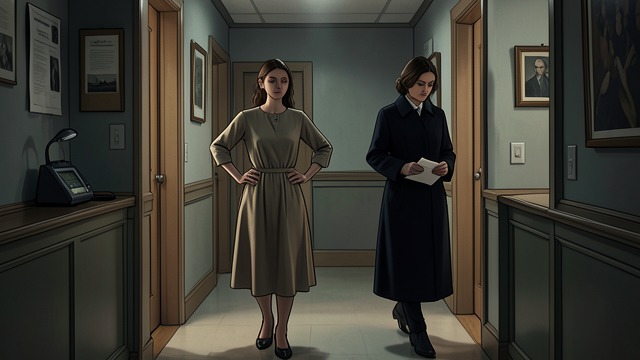
Cécile leaves convent schooling and enters a social world where her marriage has already been arranged. She has freedom in small domestic routines but little knowledge of the choices around her.
Dependence on Others
She seeks guidance from Merteuil because her mother does not explain the world to her. Her apparent choices increasingly reflect the advice of people who benefit from her confusion.
Tourvel’s Refusals

Saying No Is Not Enough
Explicit Boundaries
Tourvel refuses Valmont’s advances, asks him to stop writing, and later requests that he leave. Her language repeatedly makes her position clear.
Reinterpreted Resistance
Valmont treats each refusal as evidence of hidden feeling or a tactical obstacle. The novel shows how a person’s formal right to choose can be undermined by relentless pressure.
The False Consent of Cécile

Pressure Disguised as Choice
The Duplicate Key
Cécile accepts a key after Valmont presents it as a practical aid to her correspondence with Danceny. She does not understand the risk that he intends to create.
Coercion and Blame
During his night visit, Valmont uses the key and the threat of scandal to control her. Cécile later interprets her confusion as personal fault, revealing how coercion distorts self-judgment.
The Convent as Refuge

Retreat or Vocation
Two Women Withdraw
Tourvel retreats to a convent after Valmont’s betrayal; Cécile seeks the same kind of shelter after the wider collapse. Their choices differ in cause but share a desire to escape social and emotional danger.
Ambiguity
The text does not make religious retreat an uncomplicated solution. It may be a sincere vocation, a response to trauma, or both.
The Limits of Consent
Responsibility Beyond Formal Choice
Public Consequences
Families and society often treat women’s decisions as evidence of their virtue, even when manipulation and unequal knowledge shaped those decisions.
A Continuing Question
The novel asks readers to distinguish agency from apparent agreement. Its endings leave Cécile’s future uncertain and Tourvel’s choices irreparable, resisting an easy moral accounting.
Early August
Late August
October
December
After the deaths
